
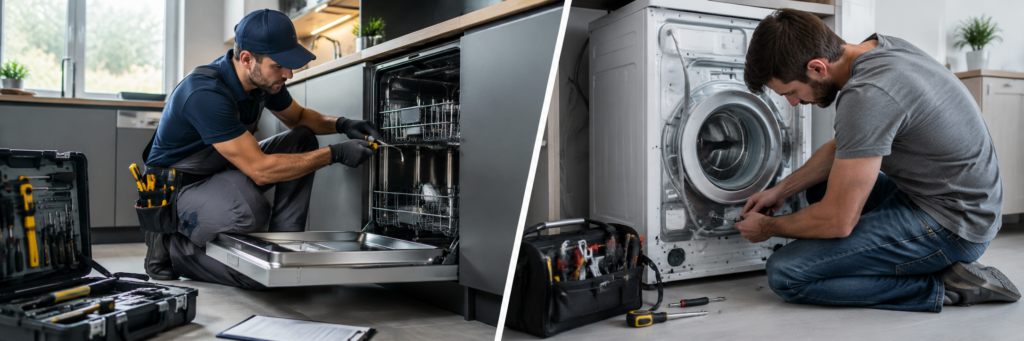
When homeowners purchase a new appliance, the focus is often on features, brand reputation, and energy efficiency. What many homeowners overlook is the importance of proper installation. The way an appliance is installed directly affects its performance, safety, lifespan, and warranty coverage. Yet, many people assume that any handyman can handle the job.
In reality, there is a significant difference between a certified appliance installer and a general handyman. While handymen may offer convenience or lower upfront costs, certified installers bring specialized training, licensing, and manufacturer authorization that protect both the appliance and the home. Understanding what sets certified appliance installers apart helps homeowners make informed decisions and avoid costly mistakes.
For professional, certified appliance installation, call Professional Service Installation, LLC at (941) 780-8493.
The Growing Complexity of Modern Appliances
Modern appliances are far more complex than older models. Today’s dishwashers, washing machines, refrigerators, and built-in appliances integrate advanced electronics, precision valves, sensors, and safety mechanisms.
These systems require exact installation procedures. Even small errors in water pressure, drainage configuration, electrical supply, or ventilation can cause malfunctions. Certified installers are trained specifically to handle these complexities according to manufacturer specifications.
Handymen, while skilled in general repairs, often lack appliance-specific training. This gap increases the risk of improper setup and future failure.
Certification and Manufacturer Training
Certified appliance installers undergo formal training programs approved by appliance manufacturers. These programs teach proper installation techniques, safety standards, and troubleshooting procedures for specific brands and appliance types.
Certification ensures installers understand how each appliance is designed to operate. They follow documented installation guidelines rather than relying on guesswork or past habits.
Handymen typically do not receive manufacturer-specific training, which limits their ability to install appliances correctly.
Protecting Manufacturer Warranties
One of the most critical differences between certified installers and handymen is warranty protection. Many appliance manufacturers require professional, certified installation for warranty coverage to remain valid.
If an appliance is installed incorrectly or by an unqualified individual, manufacturers may deny warranty claims — even for unrelated issues.
Certified installers document their work, ensuring compliance with warranty requirements and protecting the homeowner’s investment.
Plumbing Knowledge Makes a Major Difference
Many appliances rely heavily on plumbing connections. Dishwashers, refrigerators with ice makers, washing machines, and water heaters all depend on precise water supply and drainage. Certified installers understand water pressure regulation, proper hose materials, drainage loop requirements, and shutoff valve standards.
Handymen may connect appliances successfully at first, but subtle errors can cause slow leaks, backflow issues, or premature valve failure.
Electrical Safety and Code Compliance
Appliance installation often involves electrical work, including grounding, dedicated circuits, and load management. Certified installers are trained to recognize electrical requirements and safety risks. Improper electrical connections can cause appliance malfunction, tripped breakers, or even fire hazards.
Handymen may not be licensed to perform electrical connections, increasing risk and liability.
Gas Appliance Installation Requires Specialized Expertise
Gas appliances present additional safety concerns. Improper installation can lead to gas leaks, carbon monoxide exposure, and serious safety hazards. Certified installers follow strict procedures for gas line connections, testing, and ventilation. They understand local codes and safety standards.
Most handymen are not licensed or insured to install gas appliances safely.
Proper Venting and Drainage Setup
Ventilation and drainage are often overlooked aspects of appliance installation. Dryers require proper vent routing to prevent lint buildup and fire risk. Dishwashers require correct drainage loops to prevent contamination.
Certified installers ensure these systems are configured correctly from day one. Improper venting or drainage can lead to appliance failure and health risks.
Precision Installation Protects Appliance Lifespan
Appliances that are level, properly connected, and correctly calibrated last significantly longer. Certified installers take time to ensure precise alignment and setup. Even small installation errors, such as improper leveling, can cause excessive vibration, wear internal components, and reduce efficiency.
Handymen may overlook these details, leading to early breakdowns.
Insurance and Liability Protection
Certified appliance installers carry proper licensing, insurance, and bonding. This protects homeowners in the event of accidental damage or installation-related issues. If a handyman causes water damage, electrical problems, or appliance failure, homeowners may have limited recourse.
Professional installers provide accountability and peace of mind.
Code Compliance and Local Regulations
Florida has specific plumbing, electrical, and building code requirements for appliance installation. Certified installers stay current with these regulations. Non-compliant installations can fail inspections, delay home sales, or create legal liability.
Handymen may not be familiar with evolving code standards.
Certified Installers Identify Pre-Existing Issues
During installation, certified professionals evaluate existing plumbing and electrical systems. They identify worn shutoff valves, insufficient drainage, or pressure issues that could affect appliance performance.
Addressing these problems early prevents future failures. Handymen often install appliances without evaluating surrounding systems.
Cost vs Value: Why Cheaper Isn’t Better
While handymen may charge less upfront, the long-term costs of improper installation can far exceed the initial savings. Water damage, appliance replacement, and voided warranties quickly add up.
Certified installation protects the investment and reduces lifetime costs.
Appliance Installation and Home Resale Value
Home inspectors and buyers pay close attention to appliance installation. Improper connections or code violations raise red flags.
Certified installation enhances buyer confidence and simplifies inspections.
Why Florida Homes Benefit From Certified Installers
Florida’s humidity, water quality, and environmental conditions accelerate wear on appliances. Certified installers account for these factors during installation.
Local experience ensures installations are suited to Florida homes.
Professional Service Installation, LLC Certified Installers
Professional Service Installation, LLC provides certified appliance delivery and installation for all major appliance brands. Installations are performed to manufacturer standards with full attention to safety and code compliance.
Serving Florida Communities
Professional Service Installation, LLC proudly serves Sarasota, Bradenton, Lakewood Ranch, Longboat Key, Parrish, Venice, Anna Maria Island, St Pete, Ruskin, Myakka, and Englewood.
Schedule Certified Appliance Installation Today
Protect your appliances, your home, and your warranty with certified installation.
Call Professional Service Installation, LLC at (941) 780-8493 to schedule professional appliance installation for your Florida home today.